

Your Complete Guide to Getting a Mortgage in Albuquerque This Summer
In This Guide
- Why Summer Is a Smart Time to Buy a Home in New Mexico
- Understanding Your Mortgage Options
- What Is a Conventional Loan, Really? A Deeper Dive
- How to Get Pre-Approved for a Mortgage in Albuquerque
- What to Expect During the Mortgage Process
- How Much Home Can You Afford?
- The Credit Union Advantage: Why Sandia Area?
- Common Mortgage Questions, Answered
- Download the Sandia Area Homebuyer's Guide
- Ready to Buy This Summer? Your Next Step
Summer in New Mexico has an energy all its own. The Sandias glow amber in the long evening light, the smell of rain from afternoon monsoons drifts across the valley, and in neighborhoods across Albuquerque, Rio Rancho, and Santa Fe — "For Sale" signs are still very much in the picture.
Summer is one of the most active homebuying windows of the year, and for good reason. Whether you've been saving for years or you just started thinking seriously about homeownership, the months between May and the end of July represent a real opportunity — one with a natural deadline built right in. Whether it's settling in before the school year starts, getting ahead of the fall market, or simply making the most of longer days and more time to tour homes, summer gives buyers both the motivation and the momentum to move.
At Sandia Area Federal Credit Union, we believe that buying a home should feel exciting — not overwhelming. We've been helping New Mexico families finance their homes for decades, and we know that the more informed you are walking in, the more confident you'll feel walking out with keys in hand. This guide is designed to walk you through everything: the types of home loans available, how to get pre-approved, what to expect during the mortgage process, and why working with a local credit union gives you an edge in today's market.
Ready to start? Let's break it all down.
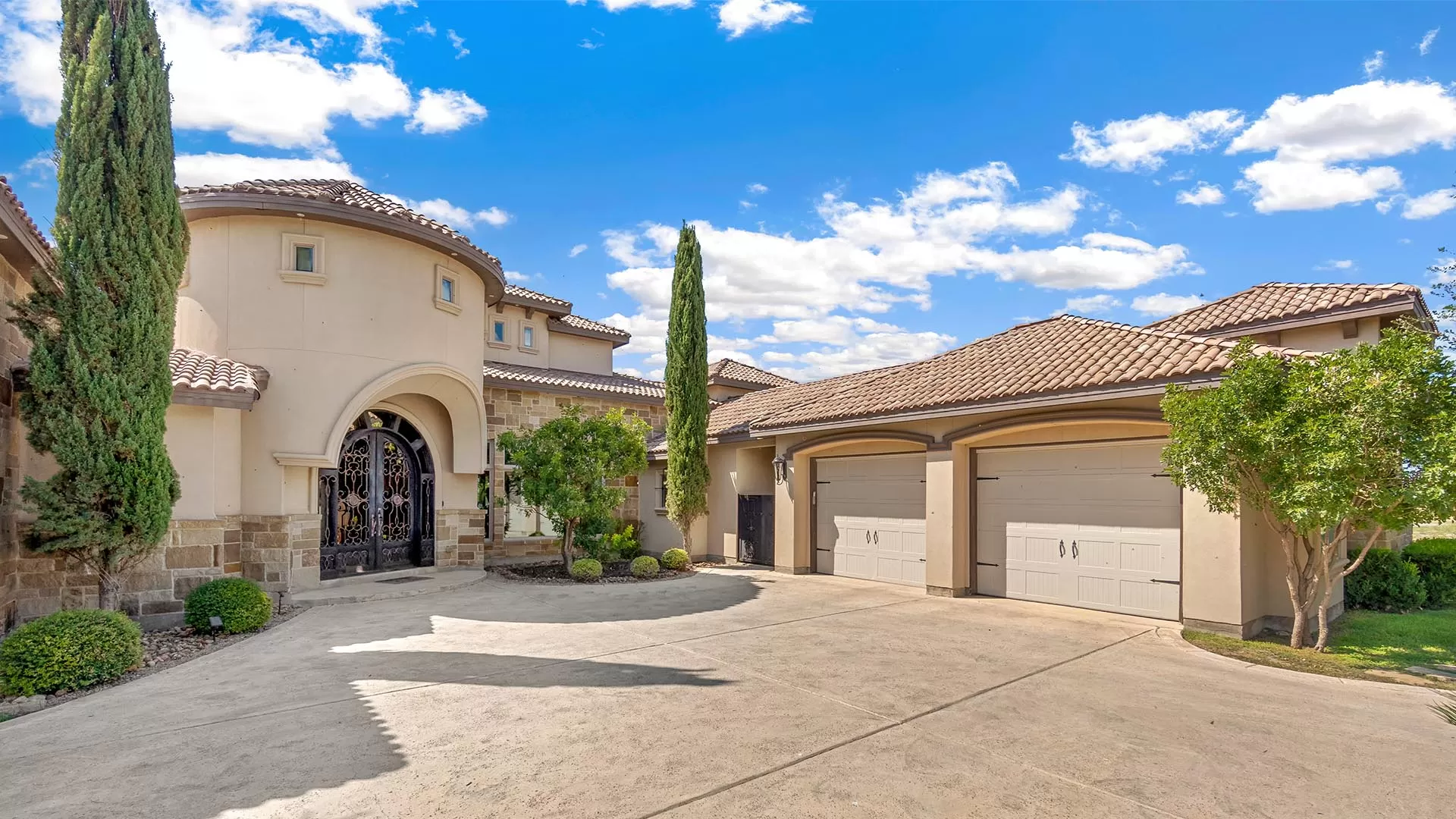
Why Summer Is a Smart Time to Buy a Home in New Mexico
Ask any real estate professional in Albuquerque and they'll tell you: summer keeps the market moving. Inventory that came on in the spring is still available, and new listings continue to appear through July. Sellers who are still on the market in summer are motivated — they want to close before fall. And buyers have their own built-in deadline: families with school-age kids want to be settled and unpacked before August. That back-to-school window creates real urgency that works in your favor when it's time to negotiate.
Summer also gives you something spring doesn't always offer: time. Longer days mean more flexibility to tour homes after work. Kids being out of school makes coordinating showings and moving logistics much more manageable. And with the fall market — and its own wave of competition — waiting just around the corner, buyers who act between May and the end of July have a genuine advantage over those who wait.
But making the most of that window starts with one thing: getting pre-approved.
A mortgage pre-approval tells sellers you're a serious buyer. It tells your real estate agent what price range to focus on. And it tells you exactly what you can afford — so there are no heartbreaks over homes outside your budget. At Sandia Area, we offer same-day preapprovals, which means you could be ready to make an offer faster than you ever expected.
But before we get to pre-approval, let's talk about the foundation: understanding your loan options.
Understanding Your Mortgage Options
Not all home loans are created equal — and the right one for your neighbor may not be the right one for you. Your loan choice depends on your credit history, how much you've saved for a down payment, how long you plan to stay in the home, and your financial goals. Here's a clear look at the mortgage options available at Sandia Area.
Conventional Loans — The Most Popular Choice for a Reason
If there's one mortgage type worth spotlighting this summer, it's the conventional loan. It's consistently the most popular home loan in the country, and for good reason: conventional loans offer flexibility, competitive terms, and a straightforward path to homeownership for borrowers with solid credit and stable income.
A conventional mortgage is not backed by the federal government (unlike FHA or VA loans). Instead, it's offered through lenders, like credit unions and their partners, who work to offer flexible loan terms and competitive rates to qualified borrowers.
So, who is a good fit for a conventional loan? Here's the honest answer: if you have a reasonably strong credit score, steady income, and some money saved for a down payment, a conventional loan is likely going to give you the most options and the best long-term value. Here's what makes them stand out:
Flexible Loan Terms: Conventional loans typically come in a variety of term lengths — most commonly 15 and 30 years — letting you choose a monthly payment and payoff timeline that fits your life. A 30-year term keeps your monthly payment lower; a 15-year term means you'll pay less in total interest over the life of the loan.
No Government Upfront Fees: Unlike FHA loans, conventional mortgages don't require an upfront mortgage insurance premium. If you put 20% or more down, you can also avoid paying private mortgage insurance (PMI) entirely. And even if your down payment is less than 20%, PMI isn't permanent — it can be removed once you've built sufficient equity in your home.
More Financing Options: Because conventional loans aren't bound by government program restrictions, they often come with more flexibility in terms of property type, loan amount, and borrower profile. This makes them a strong fit for everything from starter homes to move-up purchases.
Competitive Rates for Strong Credit: Borrowers with higher credit scores generally qualify for better rates on conventional loans. If you've been diligent about your credit, a conventional mortgage rewards that hard work.
At Sandia Area, our Mortgage Consultant is an expert in conventional home financing and works directly with members to find the right loan structure for their needs. Want to know what kind of rate you might qualify for? Start with our Rate Quote Tool — it takes just a few minutes to get an estimate.
FHA Loans — A Strong Path for First-Time Buyers
If you're buying your first home and your credit history isn't perfect, or if you haven't had years to build up a large down payment, an FHA loan might be the right tool for you. Backed by the Federal Housing Administration, these loans are specifically designed to make homeownership more accessible.
FHA loans allow for lower down payments — as low as 3.5% — and tend to have more flexible credit requirements than conventional loans. They also allow gift funds from family members to be used toward your down payment, which can be a real advantage for first-time buyers getting some help from loved ones.
At Sandia Area, we're proud to be VA and FHA loan experts. We understand the nuances of these programs and work with you to navigate the process from start to finish.
One thing to keep in mind with FHA loans: they do require mortgage insurance premiums (MIP) — both upfront and annually — regardless of your down payment amount. Over the long term, this can make an FHA loan slightly more expensive than a conventional loan for well-qualified borrowers. But for many first-time buyers, the lower barrier to entry is well worth it.
VA Loans — Honoring Those Who Served
If you're an eligible veteran, active-duty service member, or qualifying surviving spouse, a VA loan may be one of the most powerful financial tools available to you — and one you've absolutely earned.
VA loans are backed by the U.S. Department of Veterans Affairs and offer several features that simply aren't available with other loan types:
- Zero down payment required. You can finance 100% of your home purchase without putting any money down.
- No private mortgage insurance (PMI). This saves you money every single month compared to most other low down payment options.
- Flexible credit and qualification requirements. VA loans are known for working with borrowers who may not qualify for conventional financing.
Sandia Area has deep expertise in VA loans and is proud to serve the military community — a relationship that goes back to our founding, when Sandia Area was established to serve the personnel at Kirtland Air Force Base. If you're not sure whether you qualify, our mortgage specialist can walk you through the eligibility requirements.
Adjustable-Rate Mortgages (ARM) — When Flexibility Makes Sense
Most homebuyers gravitate toward fixed-rate mortgages for the security of a payment that never changes. But an Adjustable-Rate Mortgage (ARM) can be a smart choice in certain situations.
With a 5-year ARM, you'll enjoy a lower, fixed interest rate for the first five years — then the rate adjusts periodically based on market conditions. This setup works well if:
- You're planning to sell or refinance within a few years
- You expect your income to grow and want to keep initial payments lower
- You want to take advantage of today's rates without committing to a long-term fixed payment
The key to an ARM is going in with clear eyes. After the fixed period ends, your rate — and your payment — can go up. If you're confident in your timeline and financial trajectory, , an ARM can offer real savings in the short term.
Jumbo Mortgages — For Higher-Priced Homes
If the home you're buying exceeds conventional loan limits, you'll need a Jumbo mortgage. These loans allow you to finance higher-priced properties that fall outside the bounds of standard conforming loan programs.
Jumbo loans require strong financials — typically a higher credit score, lower debt-to-income ratio, and larger down payment — but Sandia Area offers competitive rates and personalized support for members who need this type of financing. Whether you're moving into Albuquerque's North Valley or looking at a larger property in the East Mountains,[BG1] we can help you find the right solution.
Mortgage Refinancing — Your Home Equity Is an Asset
Already a homeowner? You don't have to be buying to benefit from a mortgage conversation with Sandia Area. Refinancing your mortgage can accomplish several financial goals:
- Lower your interest rate and reduce how much you pay over the life of the loan
- Reduce your monthly payment to free up cash flow
- Access your home equity through a cash-out refinance — useful for home improvements, debt consolidation, or major life expenses
- Shorten your loan term to build equity faster and pay off your home sooner
Summer is also a good time for homeowners to take stock. If your current mortgage rate is significantly higher than what's available today, it may be worth exploring whether refinancing makes financial sense. Check out our current loan rates to see where things stand, then connect with our mortgage specialist to run the numbers.

What Is a Conventional Loan, Really? A Deeper Dive
Since conventional loans are the focus of this summer's guide, let's go a little deeper — because there are some nuances worth understanding before you start comparing options.
Conforming vs. Non-Conforming Conventional Loans
You may hear the terms "conforming" and "non-conforming" loan. Here's the quick translation:
A conforming loan meets the size limits set by the Federal Housing Finance Agency (FHFA) each year — this is what most people mean when they talk about a conventional loan. Because it meets those guidelines, it can be sold to Fannie Mae or Freddie Mac, which keeps rates competitive.
A non-conforming loan — like a Jumbo mortgage — exceeds those limits. It's still a conventional loan in structure, but it operates under different underwriting requirements.
For most homebuyers in Albuquerque and the surrounding areas, a conforming conventional loan covers what they need. But if you're buying in a higher price range, it's good to know both options exist.
Credit Scores and Conventional Loans
Conventional loans reward strong credit. Generally speaking, a higher credit score translates to a better interest rate, which saves you real money over time. If you're not sure where your credit stands right now, take some time before you apply to pull your credit report, address any errors, and understand your score.
Not sure what score you'll need? Your Sandia Area mortgage specialist can walk you through what qualifies and what options are available to you at different credit levels.
Down Payments and Private Mortgage Insurance (PMI)
One common misconception is that you need 20% down to buy a home with a conventional loan. That's simply not true. Conventional loans are available with down payments well below 20% — you'll just need to factor in PMI until you reach that equity threshold.
Here's the upside of PMI that people often overlook: it goes away. Unlike the mortgage insurance required on FHA loans (which in many cases sticks around for the life of the loan), PMI on a conventional loan can be canceled once your loan-to-value ratio drops to 80% — either through your payments or appreciation in your home's value. That's a meaningful long-term financial advantage.
Fixed vs. Adjustable Rate on a Conventional Loan
Conventional loans can be either fixed-rate or adjustable-rate. A fixed-rate conventional loan locks in your interest rate for the full term of the loan — your payment stays the same for 15 or 30 years, no surprises. That stability is what makes fixed-rate conventional loans the most popular mortgage in America.
An adjustable-rate conventional loan (ARM) starts at a lower rate, then adjusts. As discussed above, this can be a strategic choice under the right circumstances.
How to Get Pre-Approved for a Mortgage in Albuquerque
Pre-approval is one of the most important steps in the homebuying journey — and one of the most underestimated. Many buyers wait until they've found a home they love to start the mortgage process. Don't make that mistake, especially in a summer market where motivated sellers and the back-to-school deadline mean homes in Albuquerque and Rio Rancho can move quickly.
Here's what pre-approval involves and why it matters:
What Is Mortgage Pre-Approval?
Pre-approval is a lender's conditional commitment to lend you a specific amount of money for a home purchase, based on a review of your financial situation. It's more than a pre-qualification (which is just an estimate based on self-reported information). Pre-approval requires real documentation and a real underwriting review.
When you get pre-approved with Sandia Area, you'll receive a letter stating the loan amount you qualify for — and with our same-day pre-approvals, that letter can be in your hands before the day is over.
What Do You Need to Apply?
While every situation is a little different, most mortgage applications require documentation in these general areas:
Income Verification This includes recent pay stubs, W-2 forms from the past two years, and — if you're self-employed — two years of tax returns and possibly additional documentation like profit and loss statements.
Asset Documentation Lenders want to see that you have funds available for your down payment and closing costs. Expect to provide recent bank statements (typically the past two to three months) for any accounts you'll be using.
Employment History A consistent two-year employment history is the standard benchmark. If you've recently changed jobs, that's not automatically a problem — but it is something your lender will want to understand.
Credit Authorization Your lender will pull your credit report as part of the pre-approval process. This is a "hard inquiry," but its impact on your score is minimal — especially when you're rate shopping within a short window.
Identification Standard government-issued ID, such as a driver's license.
Not sure exactly what you'll need? Sandia Area has a Mortgage FAQ page that answers common questions, and you can also reach our mortgage specialist directly for personalized guidance.
What Happens After You Apply?
Once you submit your application and documentation, our team reviews your financial picture and determines how much you qualify to borrow. If approved, you'll receive your pre-approval letter — and you're ready to start shopping with confidence.
That pre-approval letter tells sellers you're not just browsing. You're ready to buy. In a summer market with a natural end-of-season deadline, that matters enormously.
What to Expect During the Mortgage Process
For first-time homebuyers especially, the mortgage process can feel like a black box. Here's a straightforward breakdown of what actually happens between "I want to buy a home" and "here are your keys."
Step 1: Get Pre-Approved
As covered above, this is where everything starts. Don't skip it.
Step 2: Find Your Home (and Make an Offer)
With your pre-approval in hand, you and your real estate agent can tour homes within your budget. When you find the right one, you'll submit an offer — and your pre-approval letter goes right along with it, showing the seller you're serious.
Step 3: Submit a Full Loan Application
Once your offer is accepted, you'll complete a full mortgage application. Your lender will request any remaining documentation not already collected during pre-approval.
As borrowers go through the loan process, they will receive disclosures titled Loan Estimate and Closing Disclosure. These documents are meant to provide you with detailed information about your loan as well as the associated closing costs. Borrowers may also receive copies of inspection reports so they are fully informed about the condition of the property.
Step 4: Home Appraisal and Underwriting
Your lender will order an appraisal of the property to confirm its market value — this protects both you and the lender. At the same time, an underwriter reviews your full application and all supporting documents to make a final lending decision.
If the underwriter needs additional information (this is common — it's called a "condition"), your loan team will reach out to request it. Respond quickly. Delays in underwriting are often caused by slow responses to document requests.
Step 5: Closing
Once underwriting clears and all conditions are satisfied, you'll receive a "clear to close." Your closing date is scheduled, and you'll review the final Closing Disclosure document, which outlines your loan terms, closing costs, and what you'll owe at the table.
At closing, you'll sign a stack of documents (yes, really — it's a lot of paper), pay your closing costs and any remaining down payment, and receive the keys to your new home.
From application to closing, the timeline can vary — but working with an experienced, responsive lender makes a significant difference. Sandia Area's streamlined process is designed to keep things moving efficiently so you can close on time and without unnecessary stress.

How Much Home Can You Afford? Start With the Numbers
Before you start touring homes, it helps to get honest with yourself about budget. "Afford" is a complicated word in real estate — the number a lender pre-approves you for isn't necessarily what you should spend. Here's how to think about it.
The Debt-to-Income (DTI) Ratio
Lenders look closely at your debt-to-income ratio — the percentage of your gross monthly income that goes toward debt payments. This includes your anticipated mortgage payment (principal, interest, property taxes, and property insurance and PMI if applicable) plus any existing debt like car payments, student loans, and credit cards.
Generally speaking, lenders prefer a total DTI of 43% or below, though this can vary by loan type and lender. Keeping your DTI healthy means keeping room in your budget for life's other expenses — and not being house-poor.
The True Cost of Homeownership
Your mortgage payment is one piece of a larger picture. When budgeting for a home purchase, don't forget to account for:
- Property taxes — these vary by county and neighborhood in New Mexico, so factor in your specific target area
- Homeowner's insurance — required by your lender and a smart financial safeguard
- HOA fees — if applicable to your neighborhood or development
- Maintenance and repairs — a general rule of thumb is budgeting 1–2% of your home's value annually for upkeep
- Closing costs — typically 2–5% of the loan amount, due at closing
Our mortgage Rate Quote Tool can help you estimate fees up front, so you're not caught off guard later.
Get Honest About Your Down Payment
Conventional loans offer flexibility in down payment amounts, and — as we covered — you don't need 20% down to get started. But a larger down payment does have meaningful advantages:
- Lower monthly payment
- Better interest rate (in many cases)
- Ability to avoid PMI or reach the cancellation threshold sooner
- More equity from day one
If building your down payment is a priority, our savings tools at Sandia Area can help you grow those funds efficiently in the meantime.
Insert a new section here about “What to Expect after the Loan Process is Complete”
- Get the keys to your new house at the time of closing
- Monthly payment consists of PITI
- It can change even with a fixed rate mortgage due to changes in insurance and tax expense.
- What is an escrow account?
- Get an initial and annual escrow estimate
- Who will be servicing the loan.
- Easy options to modify your loan to take advantage of a lower rate.

The Credit Union Advantage: Why Sandia Area for Your Mortgage?
When it comes to getting a home loan, you have a lot of choices such as national banks, online lenders, mortgage brokers, and local credit unions. At Sandia Area, we've made it simple by partnering with Member First Mortgage, a trusted mortgage lender that has been serving Sandia Area members for decades. That means you get the personal, member-first experience you expect from your credit union, backed by the dedicated mortgage expertise of a specialized lending team. Here's what that combination looks like in practice:
We're Member-Owned, Not Profit-Driven
As a credit union, Sandia Area is owned by our members — not shareholders. That means our decisions are driven by what's best for you, not what maximizes quarterly earnings. It sounds simple, but it changes everything about how we do business.
We Know New Mexico
National lenders see Albuquerque, Rio Rancho, and Santa Fe as data points. We see them as home. Our mortgage specialist understands this market, knows the landscape, and brings that local insight to your transaction.
Same-Day Preapprovals
Speed matters in a competitive market. Our ability to deliver same-day preapprovals means you can move from decision to application to pre-approved buyer without waiting days for a response.
Expert Guidance from Application to Closing
Buying a home involves a lot of moving parts. Our mortgage team — led by our dedicated Mortgage Consultant, Ryan Dierdorff — is here to guide you through every step. You're not a file number to us. You're a member, and we're invested in getting you to the closing table with confidence.
Forbes Recognized. Community Focused.
Sandia Area has been recognized by Forbes as a Best-In-State Credit Union — three years in a row. It's a recognition we're proud of, but what matters more to us is what it represents: the trust our members place in us every day, and our commitment to providing better banking to the communities we serve.
Whether you're a longtime member or new to Sandia Area, membership is easy to establish — and once you're in, you have access to every product and service we offer, including our full suite of home loan options.
Common Mortgage Questions — Answered
How long does it take to get a mortgage?
The timeline from application to closing varies based on the complexity of your loan, the speed of the appraisal, and how quickly documentation is provided. Working with a responsive lender and staying organized on your end can help everything move smoothly.
Can I get a mortgage if I'm self-employed?
Yes — self-employed borrowers can absolutely qualify for mortgages, including conventional loans. The documentation requirements are more detailed (typically two years of tax returns and a profit and loss statement), but with the right preparation, it's very much doable. Talk to our mortgage specialist early so you know exactly what to gather.
Does getting pre-approved hurt my credit score?
A pre-approval involves a hard credit inquiry, which may cause a small, temporary dip in your credit score. But the impact is minor — and if you're rate shopping among multiple lenders, doing so within a focused window (typically 14–45 days) means multiple inquiries are treated as a single event by the credit bureaus.
What's the difference between pre-qualification and pre-approval?
Pre-qualification is an informal estimate based on information you self-report. It takes minutes and gives you a general idea of what you might qualify for. Pre-approval involves a full review of your documentation and a credit check — it's a much stronger signal to sellers that you're ready to buy.
What is PMI and when can I stop paying it?
Private Mortgage Insurance (PMI) is required on conventional loans when your down payment is less than 20%. It protects the lender — not you — in the event of default. The good news: on conventional loans, PMI is not permanent. You can request its cancellation once your loan balance drops to 80% of the home's original value, and it's automatically terminated when you reach 78%.
What are closing costs and who pays them?
Closing costs are fees associated with finalizing your mortgage — they cover things like the appraisal, title search, loan origination, and government recording fees. They're typically paid by the buyer, though in some negotiations, sellers may agree to cover a portion. Use our Rate Quote Tool to estimate your mortgage fees early in the process.
What happens if the home appraisal comes in lower than the purchase price?
This is called an "appraisal gap," and it can complicate a transaction. Options include renegotiating the price with the seller, making up the difference in cash, or — in some cases — walking away (depending on how your contract is structured). Your real estate agent and mortgage consultant can help you navigate this if it arises.
Can I use gift money for my down payment on a conventional loan?
Yes, gift funds from qualifying donors (typically family members) can be used for down payment and closing costs on conventional loans, subject to documentation requirements. Your lender will ask for a gift letter confirming the funds are not a loan.
Need Guidance?
Meet Ryan: Your Sandia Area Mortgage Consultant
Navigating the mortgage process is a lot easier when you have an expert in your corner — and at Sandia Area, that expert is Ryan Dierdorff.
Ryan serves as our dedicated Mortgage Consultant, guiding members through every phase of the homebuying process — from the first conversation about loan options all the way through to closing day. He specializes in both conventional and government-backed loans, including FHA and VA financing, and brings the kind of patient, knowledgeable guidance that makes a complicated process feel manageable.
Whether you're buying your first home, upsizing for a growing family, or exploring whether a refinance makes sense, Ryan is the person to call.

Ryan Dierdorff, Mortgage Consultant
???? ryan.dierdorff@memberfirstmortgage.com
???? 505-256-6051 NMLS #895065
You can also fill out a contact form on our mortgage page and Ryan will reach out to you directly.
Ryan Dierdorff, MLO/NMLS #895065 is authorized to represent Member First Mortgage, LLC, a licensed Mortgage Lender/Servicer (Company NMLS ID #149532) and is proud to serve its partner, Sandia Area Federal Credit Union.
Download the Sandia Area Homebuyer's Guide
Feeling ready to start, but want a little more to go on? We've got you covered.
The Sandia Area Homebuyer's Guide is a free, comprehensive resource designed to walk you through the entire homebuying journey — from figuring out your neighborhood wish list to understanding your loan options to knowing exactly what to do (and what not to do) once you're under contract.
Inside the guide, you'll find:
- Neighborhood Wishlist — a tool to help you define what you're looking for in a location
- Mortgage Loan Options Overview — a plain-language comparison of fixed-rate, adjustable-rate, FHA, and VA loans
- Step-by-Step Mortgage Process — so you know what to expect at every stage
- Financial Readiness Checklist — get organized with required documents and budgeting tips
- What to Do (and Avoid!) — key steps to protect your loan approval once you're under contract
Download the Homebuyer's Guide Here
It's free, it's practical, and it's built specifically to support Sandia Area members through the journey. Think of it as your companion guide to this article — something to keep open on your phone as you tour homes, ask questions, and work through the process.
Still Have Questions? Explore Our Mortgage FAQs
The mortgage process comes with a lot of questions — and that's completely normal. We've compiled answers to the most common ones on our Mortgage FAQ page. From documentation requirements to down payment details to what happens at closing, you'll find straightforward answers that help you move forward with clarity.
We also have a library of mortgage videos covering topics like what information you need to apply, what to expect throughout the process, and how much cash you'll need for a down payment. Short, helpful, and worth a few minutes of your time.

Ready to Buy a Home in Albuquerque This Summer? Here's Your Next Step.
You've done the reading. You've gotten a feel for your options. Now it's time to take action — because the summer market has a natural rhythm to it, and the buyers who move between now and the end of July are the ones who get settled before fall.
Here's exactly what to do next:
- Get a Rate Quote Use our easy Rate Quote Tool to get an estimate of your mortgage fees in just a few clicks. It's a great starting point before you dive into a full application.
- Check Current Rates Rates change regularly, and staying informed is always smart. Visit our Current Loan Rates page to see where things stand today.
- Apply for Pre-Approval When you're ready to move forward, apply now and start the pre-approval process. Remember — same-day pre-approvals are available.
- Talk to Ryan Not ready to apply just yet but want to talk through your options? Reach out to Ryan Dierdorff directly at 505-256-6051 or connect through our mortgage page. There's no pressure, no obligation — just honest guidance from someone who knows this process inside and out.
- Download the Homebuyer's Guide Keep it handy as you start your journey. Download it here.
Buying a home is one of the biggest financial decisions you'll ever make — and it's one of the most rewarding. At Sandia Area, we're proud to walk alongside our members through every step of that journey. Your keys are closer than you think.
Federally insured by the NCUA. An Equal Opportunity Lender. Membership eligibility required. Visit Sandia.org/Membership for complete details. Sandia Area is an Equal Housing Lender. Sandia Area Federal Credit Union (NMLS#561268) provides mortgage loans by partnership with Member First Mortgage (NMLS# 149532). All lending products are subject to credit and property approval. Terms, conditions, and interest rates are subject to change without notice. Certain restrictions may apply and may vary based on borrower qualification and collateral conditions. This is not a commitment to lend. This is not an offer to extend consumer credit as defined by Section 1026.2 of Regulation Z.
« Return to "Sandia Area Blog" Go to main navigation